
Preserve Our Planet
Our planet is under pressure. From rising emissions to shrinking habitats, the challenges are real, but so are the actions we can take.
Cutting carbon is the most urgent priority. Driving less, switching to energy-efficient appliances, and supporting renewable energy all make a measurable difference. Closely tied to this is how we consume: reducing waste through recycling and reusables, and choosing organic, locally grown food over products tied to deforestation.
Water and wildlife deserve equal attention. Simple habits, fixing leaks, shorter showers add up. So does avoiding products that fuel habitat destruction, and supporting conservation where we can.
None of this happens at scale without policy. Backing clean energy mandates, carbon pricing, and wildlife protections turns individual action into systemic change.
Small steps matter. But the goal is a world where future generations don’t have to choose between development and a liveable planet.
Climate
The climate is changing – our actions can make a difference.
Clean energy
Clean energy for a cleaner tomorrow. Clean energy is the power to change the world
Geothermal resources
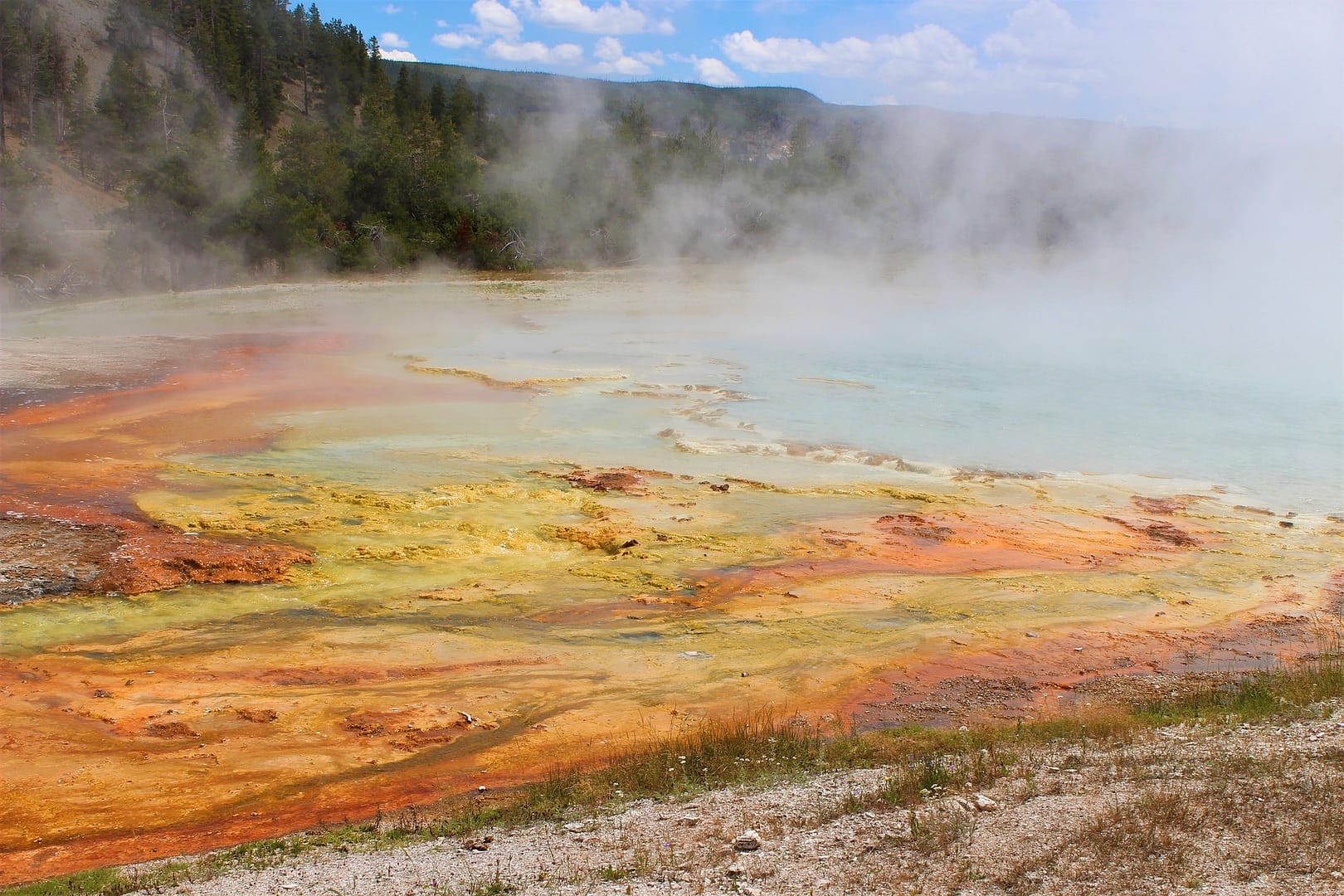
Geothermal resources are one of the best option resource for clean energy production which is carbon free.
The role of Geophysics
Geophysics applies the laws of physics, wave propagation, electromagnetism, gravitation, and thermodynamics to understand how the Earth works, from its deep interior to its surface processes.
Its role in environmental stewardship is broad. Seismic networks, satellite geodesy, and electromagnetic sensors allow geophysicists to track crustal deformation, ice dynamics, and sea-level change with high precision, feeding the predictive models that inform climate and hazard policy.
Subsurface imaging through seismic velocities, electrical resistivity, and density contrasts enables sustainable resource management locating geothermal energy, groundwater, and critical minerals without unnecessary intrusion. The same physical tools monitor contamination, map aquifer vulnerability, and support ecosystem conservation.
For natural hazards, geophysics is foundational. Seismological networks characterise earthquake sources and ground motion, while radar interferometry detects precursory deformation before failure occurs turning physical measurements into early warnings.
At its core, geophysics gives us a quantitative language for the planet one that is essential for managing it responsibly.

Seismology
Seismology analyses elastic wave propagation through the Earth to image subsurface structure, locate earthquakes, and monitor dynamic processes such as volcanic unrest and glacial movement.
Gravity
Gravity surveying measures variations in the Earth’s gravitational field to reveal density contrasts in the subsurface, identifying features such as sedimentary basins, ore deposits, and crustal thickness changes.
Magnetotellurics (MT)
MT uses natural fluctuations in the Earth’s electric and magnetic fields to map subsurface electrical resistivity, making it effective for imaging fault zones, geothermal systems, and deep crustal structure.